
How Ayurvedic Abhyanga Improves Physical and Mental Well-being
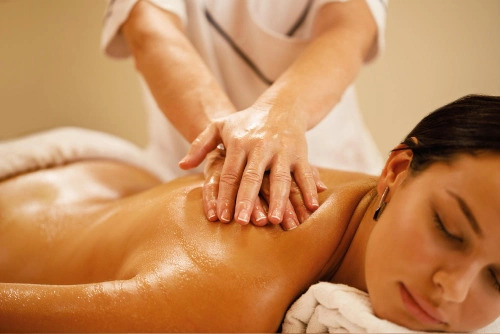
Calling Abhyanga an “oil massage” is technically understandable and clinically incomplete.
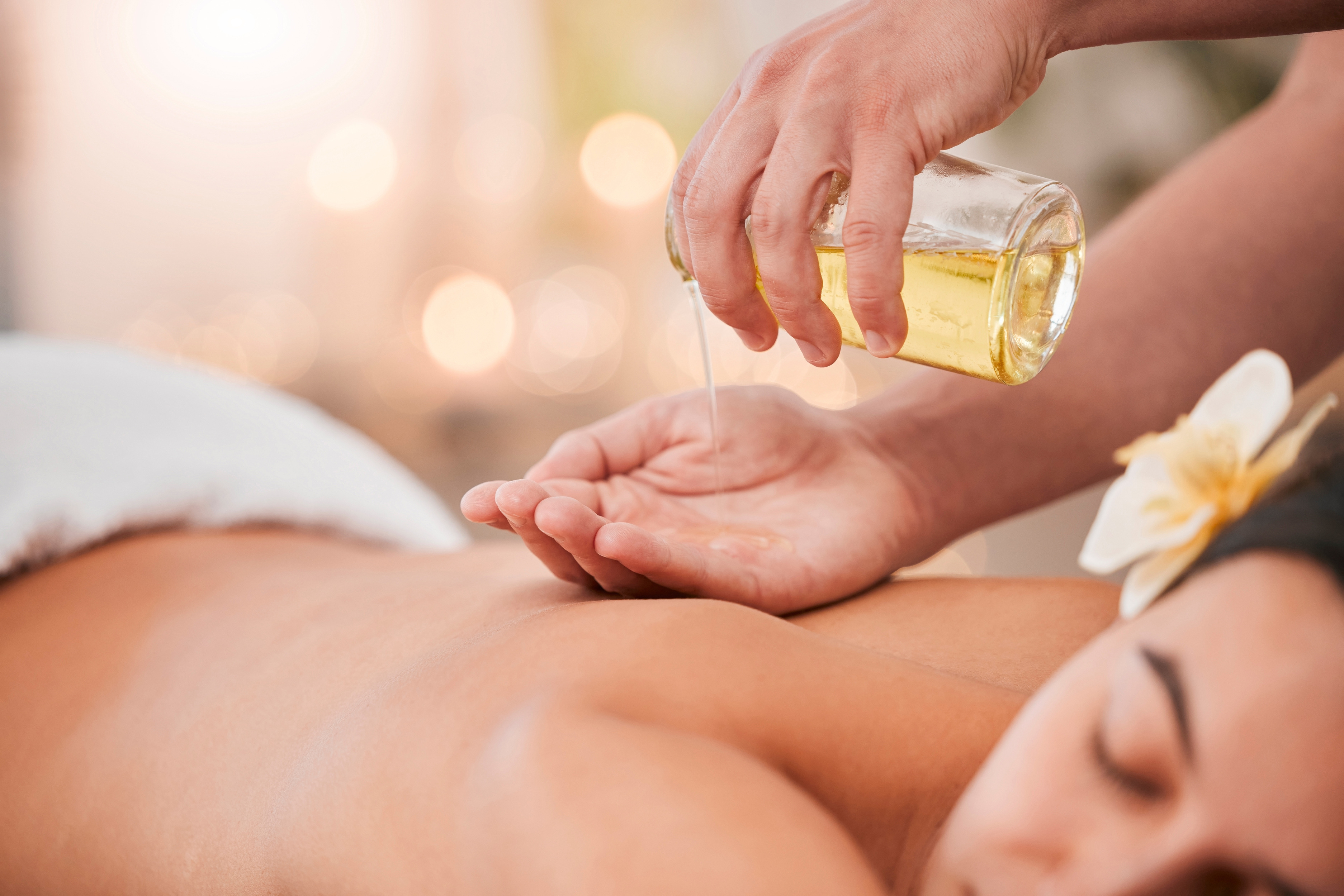
The oil matters. The direction and rhythm of the strokes matter. Duration matters. So does the person receiving it. Traditional Ayurvedic practice does not treat every tired, stiff or stressed body in exactly the same way. Abhyanga is generally performed with warm oil, often medicated according to the therapeutic intention, and may involve the entire body rather than concentrating only on the painful area. India’s AYUSH resources describe Abhyanga within the traditional Ayurvedic therapeutic framework, while Ayur Laya presents it as a full-body therapy using warm medicated oils.
That distinction becomes useful when someone arrives complaining of a stiff neck after computer work, aching legs after long hours standing, poor sleep and a vague sense of being permanently exhausted. Treating only the neck because the neck hurts may miss the broader pattern.
A properly delivered Ayurvedic Abhyanga Treatment creates a period in which mechanical touch, warmth, reduced sensory demand and rest occur together. Trying to separate those effects into one dramatic mechanism usually leads to exaggerated claims. There is no need to do that.
A small pilot study specifically examining Abhyanga reported a substantial reduction in subjective stress after treatment and reductions in heart rate. Blood-pressure reduction was not seen across the whole sample, appearing only in participants with prehypertensive readings. The investigators themselves described the work as preliminary and called for stronger research. That is a more sensible reading than saying Abhyanga has been “scientifically proven” to treat stress or hypertension.
What people notice first is often less sophisticated: warmth in the limbs, reduced muscular guarding, easier movement, slower breathing or an unusual sense that the body has finally stopped bracing itself.
That can matter. It does not turn massage into a treatment for every disease.
What Changes Physically When the Body Stops Guarding Itself
Muscle stiffness is not always a problem of damaged muscle. Long periods of sitting, repetitive work, altered posture, poor recovery after exercise and stress can leave muscles maintaining more tension than the task actually requires.
The person describes the shoulder as “tight”. Examination may show no major structural injury. The difficulty is that the area rarely gets a genuine period of unloading. It is stretched aggressively, worked again, stretched again and occasionally attacked with very deep massage because somebody assumes more pressure must produce more benefit.
Not necessarily. Therapeutic massage can reduce pain in some circumstances, but pressure should be appropriate to the tissue and the individual. Research on massage more broadly suggests benefits for some pain conditions, while the National Center for Complementary and Integrative Health notes that serious complications are uncommon but have occurred, particularly with vigorous massage or in people at increased risk of injury.
Abhyanga usually makes more sense when rhythm and continuity are valued rather than treating pain as something that has to be forcibly pressed out of the body.
Warm oil also changes the practical quality of the treatment. It reduces surface friction, permits repeated strokes without continually dragging the skin and leaves dry skin feeling softer afterwards. Traditional sesame oil has a long association with massage in India. A randomised study in infants found differences in blood flow and post-massage sleep with sesame-oil massage, though infant findings should not be casually transferred to adults or used to claim that sesame oil will produce the same physiological effects in everyone.
Circulation is another word used too loosely around massage.
People often say that Abhyanga “removes blocked circulation”. That is not a satisfactory medical description. Atherosclerotic narrowing, venous thrombosis or peripheral arterial disease are not corrected by rubbing warm oil over the body. What may occur around healthy soft tissues is temporary local change associated with warmth, movement and manual manipulation. A person may experience warmer hands and feet or less of the heavy sensation that follows prolonged inactivity. That is very different from treating vascular disease.
The same restraint is needed with fatigue.
Someone who has been sleeping five hours a night while working twelve-hour days may feel markedly refreshed after treatment. The underlying problem is still five hours of sleep and twelve-hour working days. Repeated therapies without correcting that pattern can become an expensive way of repeatedly recovering from the same behaviour.
The Mental Effect Is Often Quieter Than People Expect
Stress does not always arrive as panic or obvious anxiety. Quite often it appears as jaw clenching, shallow breathing, inability to sit without checking a phone, waking at 3 am, irritability in traffic or the feeling of being physically tired while the mind continues running.
That is where the slower character of Abhyanga becomes relevant.
The effect should not be romanticised. Warm oil is not entering the nervous system and “washing away stress”. What the person experiences is a sustained period of predictable touch, warmth, limited conversation and reduced stimulation. Massage research has reported changes in stress-related physiological markers in some settings, and the Abhyanga pilot study found promising reductions in subjective stress, though the evidence base remains small.
There is also a practical difference between feeling calmer after a treatment and treating an anxiety disorder.
That line matters. A person with persistent anxiety, depression, panic attacks or severe insomnia should not delay appropriate medical or psychological assessment because a wellness therapy temporarily makes them feel better. Complementary treatment is useful when it remains complementary.
Sleep deserves similar caution.
People sometimes sleep exceptionally well on the night after massage. Research on massage in several clinical settings has found improvements in sleep, and newer research is examining Ayurvedic external therapies such as Padabhyanga as adjuncts for insomnia. A 2026 exploratory trial protocol combining Ayurvedic procedures with cognitive behavioural therapy for insomnia is explicitly designed to look for preliminary signals rather than to establish definitive efficacy.
That tells us roughly where the evidence stands.
If someone cannot sleep because the body feels restless, uncomfortable and tense, a calming physical treatment may help the transition towards sleep. If they have obstructive sleep apnoea, uncontrolled thyroid disease, severe depression, medication-related insomnia or a circadian-rhythm problem, oil massage does not correct the underlying diagnosis. The mistake is not using Abhyanga. The mistake is asking it to do a different treatment’s job.
Pain and Stiffness Need More Judgement Than More Pressure
Pain is where expectations become difficult.
There is some encouraging clinical evidence for Ayurvedic massage in musculoskeletal conditions. A randomised trial of an Ayurvedic massage intervention using Sahacharadi Taila in chronic low-back pain found greater short-term pain reduction than standard thermal therapy. Yet improvement in function and disability did not follow to the same extent during the short observation period.
That is clinically believable.
Pain can settle before function returns. Someone may report that the lower back feels considerably easier after several sessions yet still have poor hip strength, weak trunk endurance, fear of bending or a job that requires eight hours of driving. Massage cannot compensate indefinitely for those factors.
This is where Ayurvedic Abhyanga Treatment works best as part of a larger plan rather than as an isolated answer to chronic pain.
Consider two people with shoulder discomfort. One has general stiffness after weeks of desk work. The second has intense night pain, marked weakness when lifting the arm and a recent injury. Treating both with the same vigorous massage because both used the word “shoulder pain” is poor judgement.
The second person may need diagnostic assessment.
The same applies to back pain associated with progressive leg weakness, numbness around the saddle area, altered bladder or bowel control, fever, major trauma or unexplained systemic illness. Those are not situations for experimenting with repeated massage while waiting to see what happens.
Everyday muscular discomfort is different. A warm, rhythmic treatment may reduce guarding enough for the person to move more comfortably. That creates a useful window. What happens during that window determines whether improvement lasts.
Walk. Restore normal movement. Sleep properly. Correct the workstation. Rebuild strength where strength has been lost.
Otherwise the same stiffness returns.
Regular Abhyanga can still have value even when no specific pain disorder exists. Some people accumulate physical tension before they consciously recognise mental fatigue. Scheduled body-based care gives them a reason to stop before exhaustion becomes their normal baseline. The benefit here is partly therapeutic and partly behavioural: a repeated interruption to an otherwise relentless routine.
Kerala Timing, Food, Rest and Choosing a Clinic
Karkidakam is culturally associated with restorative Ayurveda in Kerala, and the cooler, wet season can make rest, warm food and oil therapies more comfortable. It is not the only medically acceptable time. The best time is when the patient is clinically suitable, can complete preparation and recovery, and is not rushing back to a wedding, flight, night shift or construction site. The practical details decide more than the brochure.
A credible Ayurveda Clinic In Kannur should ask about diagnoses, current medicines, allergies, previous procedures, bowel habits, sleep, blood pressure, menstrual or pregnancy status and recent investigations. An Ayurveda Treatment In Kannur should not begin with, “Which package would you like?” The physician should decide whether a major cleansing procedure, a gentler internal medicine plan, local therapy or no Panchakarma at all makes sense. An Ayurveda Center in Kannur also needs trained therapists, clean equipment, privacy, emergency readiness and traceable medicines.
Food during treatment is usually simple because digestion is being observed, not punished. Rice gruel, light vegetable preparations and easily digested meals may be used according to the procedure and patient. Kerala patients sometimes bring pickles, fried fish, bakery snacks or black tea into the room because the official food feels too plain. That single habit can undo the assessment. Rest is treatment. So is the slow return to normal activity.
FAQs
How does Ayurvedic Abhyanga improve overall physical well-being?
Its most noticeable physical effects are usually relaxation, reduced perception of muscular tension, easier movement and softer, well-oiled skin. Massage may also produce temporary physiological changes related to touch, warmth and local blood flow. People who spend long periods sitting, standing or doing repetitive work often appreciate the reduction in generalised stiffness. The benefit should not be confused with correcting structural disease. Persistent weakness, swelling, severe joint restriction or neurological symptoms need assessment rather than repeated massage alone. Evidence from massage research supports pain relief in some conditions, but outcomes vary considerably according to the underlying problem.
What are the benefits of Ayurvedic Abhyanga Treatment?
Potential benefits include relaxation, temporary relief from muscular tightness, reduced subjective stress, improved comfort during movement and, for some people, better rest after treatment. The small Abhyanga-specific pilot literature is encouraging for stress reduction, but it is not large enough to justify sweeping claims about preventing disease, correcting hormonal disorders or treating hypertension.
Can Ayurvedic Abhyanga Treatment help reduce stress and anxiety?
It can help some people feel substantially calmer, particularly when physical tension accompanies stress. Preliminary Abhyanga research has reported reduced subjective stress, while massage studies more broadly have observed changes in stress-related physiological measures. It should not be presented as a substitute for appropriate treatment of persistent anxiety disorders, panic attacks, severe depression or other mental-health conditions.
Is Ayurvedic Abhyanga Treatment effective for chronic pain?
It may help certain kinds of chronic musculoskeletal pain, but effectiveness depends heavily on the diagnosis. A randomised trial of Ayurvedic massage for chronic low-back pain found meaningful short-term pain reduction, while functional improvement was less convincing. Chronic pain management may still require exercise rehabilitation, weight management, ergonomic changes, medical treatment or investigation of structural and neurological causes.
What are the long-term wellness benefits of regular Ayurvedic Abhyanga?
The long-term benefit is harder to quantify because strong long-duration clinical trials of Abhyanga are limited. Regular treatment may help a person maintain a routine of relaxation, physical recovery and awareness of muscular tension. That can be worthwhile without pretending it prevents every chronic disease.
Can Ayurvedic Abhyanga improve sleep quality?
Some people report easier sleep after massage, and broader massage research has demonstrated improved sleep in particular clinical populations. Evidence specifically proving Abhyanga as a treatment for chronic insomnia remains limited. Current research is still exploring Ayurvedic external therapies as adjuncts to established insomnia care rather than replacements for it.
Is Ayurvedic Abhyanga effective for muscle pain and stiffness?
For uncomplicated muscular tightness, it can be useful. Warmth, lubrication and rhythmic manual work may allow tense tissues to relax and movement to feel easier. Repeatedly returning pain requires more thought. Muscle weakness, poor biomechanics, inadequate recovery, arthritis, nerve compression or a significant injury will not disappear simply because the painful area is repeatedly massaged.
Which herbal oils are commonly used in Abhyanga treatment?
Sesame oil is a traditional base, while medicated Ayurvedic oils are selected according to the individual and the purpose of treatment. Formulations involving Ksheerabala or Dhanwantharam preparations appear in Ayurvedic practice and research. Oil selection should consider skin sensitivity, treatment objective and the physician’s assessment rather than following a popular “best oil for everyone” recommendation.
Can Abhyanga be combined with Panchakarma treatments?
Yes. Abhyanga is traditionally used within broader Ayurvedic treatment programmes and can form part of preparatory procedures associated with Panchakarma. The sequence, duration and accompanying therapies should be chosen according to the individual rather than assembled as a standard spa package. Ayur Laya lists both Abhyanga and Panchakarma within its therapeutic services and states that treatment planning follows consultation.
Can Ayurvedic Abhyanga help relieve everyday fatigue?
It can help when fatigue is partly connected with stress, physical overwork, poor recovery or muscular tension. The person may feel lighter and more rested after treatment. Persistent fatigue is a different matter. Anaemia, thyroid disorders, sleep apnoea, diabetes, nutritional deficiency, infection, medication effects and several other conditions can present as tiredness.



Address
Ayur Laya Ayurveda Clinic
Kizhunna, Kannur – 670007
Working Hours
Mon - Sun : 8am to 8pm
© 2026 Ayur Laya. All rights reserved.
© 2026 Ayur Laya.
All rights reserved.